Executive Summary
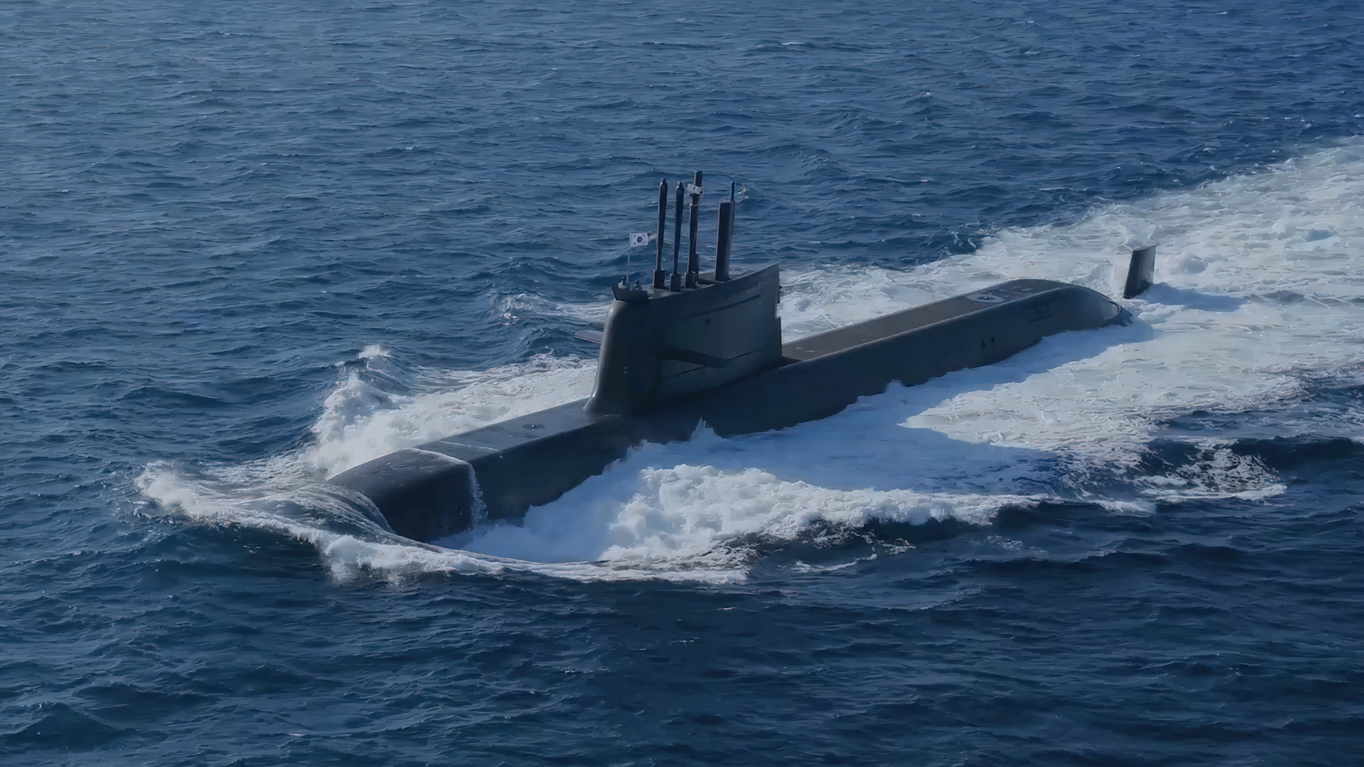
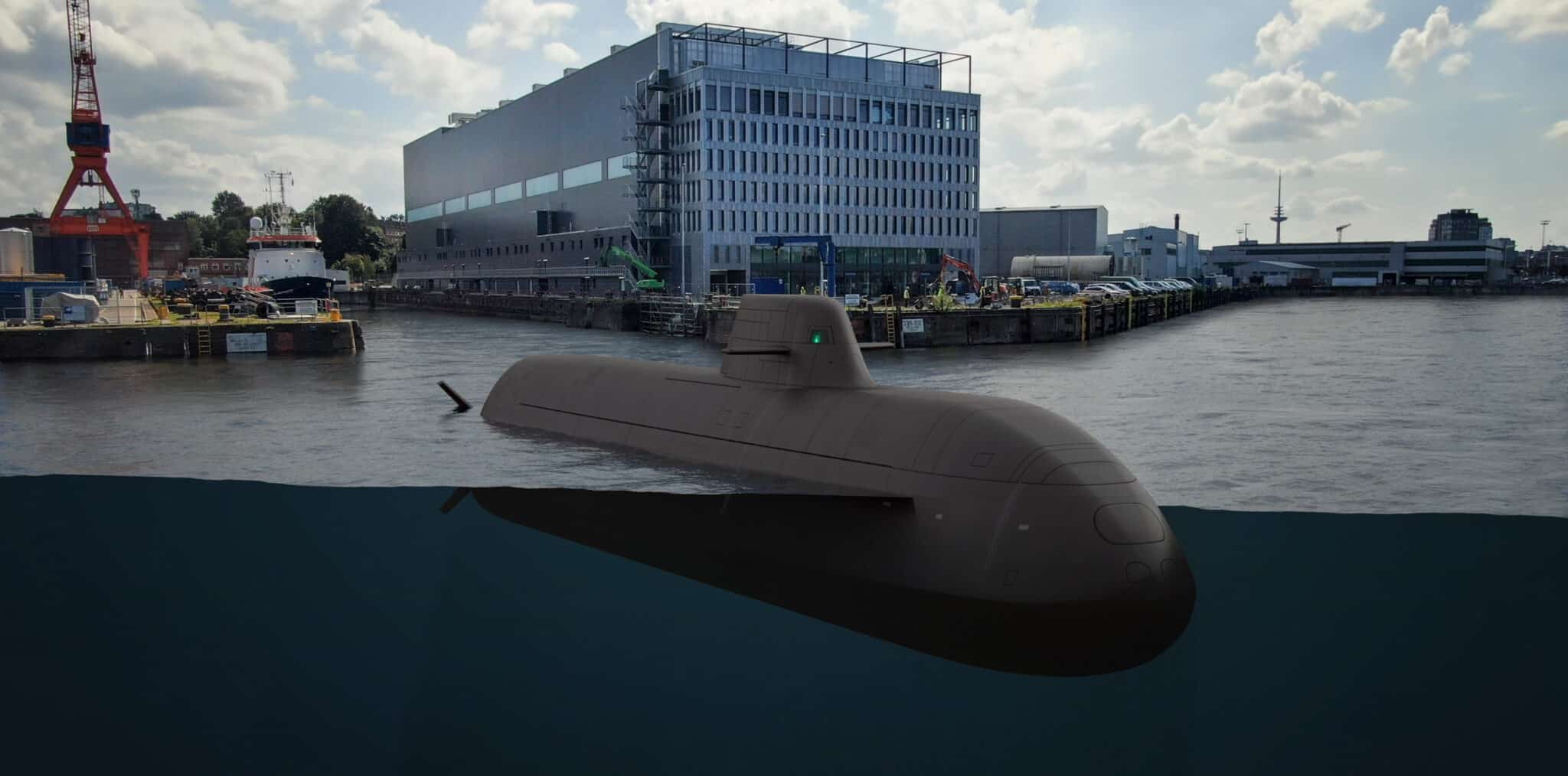
Key recommendation: Canada faces a clear strategic choice between two proven platforms from allied shipbuilders. Neither is wrong — the decision hinges on which national priority Canada places first: industrial sovereignty and multi-mission strike capability (favouring Korea's KSS-III), or acoustic stealth, submerged endurance, and immediate NATO interoperability (favouring Germany's Type 212CD).
A mixed-fleet approach — a small Type 212CD buy for immediate Arctic and ASW capability, followed by a larger KSS-III build in Canadian yards — offers the strongest long-term industrial and operational outcome, provided binding offset clauses are contractually secured.
Bottom line: If Canada acquires the Korean platform, the contract must include a legally binding clause requiring local manufacture of the heavy-lift hoist and full technology transfer to Canadian shipyards. Without this clause, Canada risks purchasing capability without building sovereign maintenance and sustainment infrastructure.
Quick Technical Comparison
All figures are indicative. Final specifications depend on variant selection and Canadian modifications. See Sources & Assumptions.
| Attribute | Korean KSS-II / KSS-III | German Type 212 / 212CD |
|---|---|---|
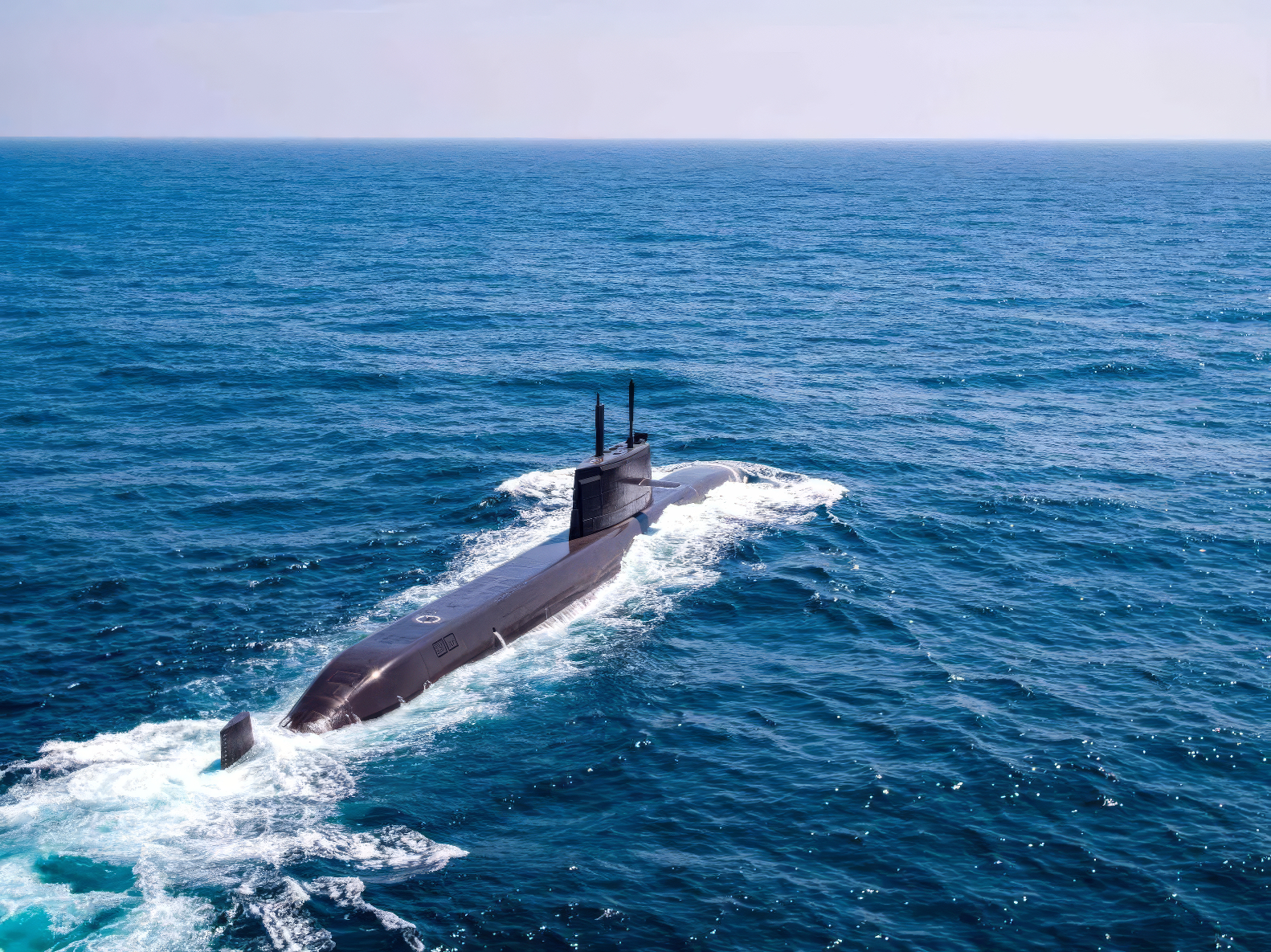
| Propulsion | Diesel-electric; advanced lithium-ion batteries on KSS-III; no fuel-cell AIP in current export configuration | Diesel-electric + hydrogen fuel-cell AIP; can remain submerged for weeks without surfacing |
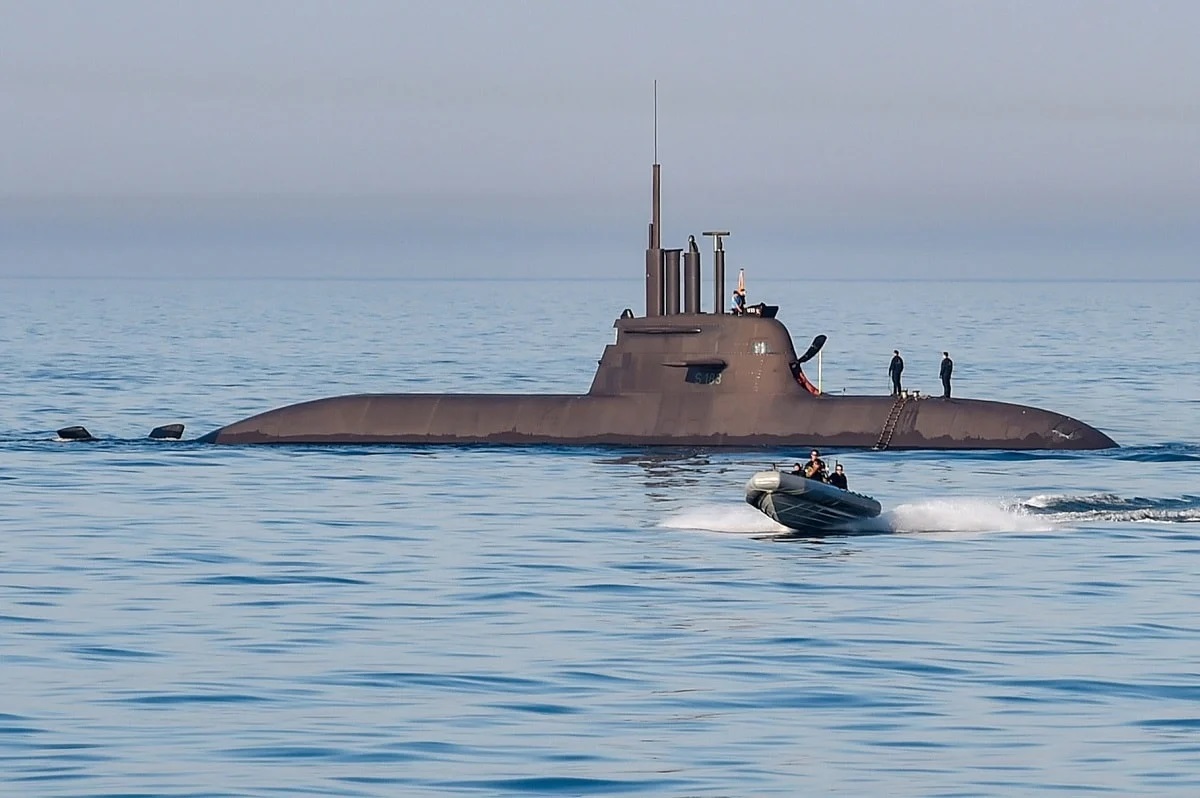
| Displacement / Size | KSS-II ≈ 1,800 t submerged; KSS-III ≈ 3,700 t submerged — medium-to-large hull | Type 212A ≈ 1,830 t submerged; Type 212CD ≈ 2,100 t — compact, optimised for stealth |
| Weapons / VLS | Torpedoes + cruise missiles via tubes; KSS-III Batch II includes 6 vertical launch tubes for sub-launched ballistic missiles or cruise missiles | Torpedoes + Sub-Harpoon-type missiles via tubes; no integrated VLS in current 212 variants |
| Endurance / Range | Good ocean range; submerged endurance limited compared to AIP platform — requires periodic snorkelling | Excellent submerged endurance (weeks) without snorkelling; optimised for extended covert patrol |
| Acoustic Signature | Modern anechoic tiling and quieting measures; larger hull and diesel cycling add some acoustic signature | Among the quietest conventional submarines in the world — fuel cells produce no combustion noise; non-magnetic steel hull |
| Arctic / Cold-Water Suitability | Designed for temperate oceans; requires Canadianisation package for under-ice operations and extreme cold | Proven in cold Norwegian and Baltic waters; well-suited to ASW in cold-water acoustics; requires modification for under-ice operations |
| Industrial Transfer & Offsets | South Korea has explicitly offered to build the heavy-lift hoist in Canada and to transfer design and assembly knowledge to Canadian yards | Germany offers strong technical support and training; large-scale local build and technology transfer harder to secure at scale without firm contractual pressure |
| Estimated Cost / Timeline | Unit cost ≈ CAD $1.5–2.5 B (KSS-III); full Canadian industrial package adds cost but creates long-term domestic capability | Unit cost ≈ CAD $1.2–1.8 B (Type 212CD); delivery 8–12 years from contract; offsets negotiable |
AIP (Air-Independent Propulsion) allows a submarine to generate electricity without burning diesel, meaning it does not need to rise to snorkel depth to run its engines. Germany's Type 212 uses hydrogen fuel cells to achieve this, giving it several weeks of silent, deep submerged operation. The Korean KSS-III uses advanced lithium-ion batteries instead — quicker to recharge, but still requiring periodic snorkelling.
Operational Analysis
Canada must defend three ocean fronts — Atlantic, Pacific, and Arctic — while meeting NATO commitments. Each theatre makes different demands on a submarine platform.
🌊 Atlantic Ocean
The North Atlantic is a primary NATO ASW theatre. Quietness and extended patrol endurance matter most. The Type 212CD's fuel-cell AIP provides a distinct advantage for covert ASW operations against adversary submarines transiting toward NATO waters.
The KSS-III's larger hull and VLS capability add a land-attack and deterrence dimension that Canada currently lacks — valuable if Canadian doctrine evolves toward strike tasking.
🌊 Pacific Ocean
Indo-Pacific competition is intensifying. Canada participates in Five Eyes intelligence sharing and works alongside US, Australian, and Japanese naval forces. Both platforms are capable here.
The KSS-III's larger size and strike capability is better suited to Indo-Pacific deterrence missions. South Korean interoperability with US Pacific Fleet doctrine is an additional advantage.
🧊 Arctic Sovereignty
Canada's Arctic sovereignty mission requires reliable operations under ice and in extreme cold. Neither platform is currently cleared for full under-ice operations without modification.
The Type 212CD has a stronger baseline for cold-water operations. The KSS-III would require a more substantial Canadianisation package to meet Arctic requirements — this must be contractually mandated.
🤝 NATO Interoperability
Canada is a founding NATO member and shares ASW doctrine, signals, and logistics with European allies. The Type 212 family is already embedded in NATO interoperability frameworks used by Germany, Italy, and Norway.
The KSS-III can interoperate with NATO systems but will require integration work, shared training exercises, and doctrine updates to reach the same level of seamless integration.
Industrial & Economic Impact
Submarine procurement is not merely a capability decision — it is a long-term industrial investment. Canada's National Shipbuilding Strategy (NSS) has demonstrated that anchor contracts can rebuild domestic shipyard capability. The same logic applies to submarines.
Korean Option — Industrial Commitments
South Korea has publicly stated its willingness to build the heavy-lift hoist used in submarine construction and maintenance in Canada if Korea is selected as the submarine supplier. This offer represents a meaningful technology transfer, not a token offset. It includes:
- Design and engineering drawings for the submarine hoist system transferred to Canadian yards
- Assembly training for Canadian trades workers at Korean shipyards and then in Canada
- Long-term sustainment supply chain anchored in Canada, reducing dependence on overseas parts
- Potential for phased local assembly of subsequent hulls in Canadian facilities
German Option — Industrial Commitments
Germany's ThyssenKrupp Marine Systems (TKMS) offers strong technical support, training, and maintenance partnerships. Germany has delivered submarines to non-European customers with varying levels of local content. Achieving large-scale local build in Canada would require hard contractual negotiation — it is possible but is not currently an explicit public offer comparable to Korea's.
Job Creation & Sustainment
A conventional submarine fleet of 6–12 boats supports roughly 1,500–4,000 direct shipbuilding and sustainment jobs over a 30-year lifecycle, depending on local content levels. High-skilled trades in welding, pressure-hull fabrication, electronics integration, and sonar maintenance represent a generational investment in Canadian industrial capacity.
If Korea is selected as the preferred submarine supplier, Canada must include the following as a binding, non-waivable contractual obligation in the Letter of Offer and Acceptance (LOA) and all subsequent Statement of Work (SOW) documents:
Disclaimer: This is a sample clause for illustrative purposes only. Canada should engage qualified defence procurement and contract law counsel before incorporating any such language into official procurement documents.
Pros & Cons — Platform Comparison
✅ Korean KSS — Pros
- Explicit industrial offer: hoist manufacture in Canada and full technology transfer
- Larger hull supports greater weapons load, crew comfort, and mission flexibility
- VLS capability on KSS-III Batch II provides land-attack and deterrence options
- Competitive pricing and an experienced export track record
- Opportunity to build subsequent hulls in Canadian yards, growing sovereign capability
- South Korea is an active US-aligned partner with strong Pacific interoperability
❌ Korean KSS — Cons
- No fuel-cell AIP in current export configuration — submerged endurance is shorter
- Requires significant Canadianisation for Arctic / under-ice operations
- Larger hull is more complex and costlier to maintain
- Less embedded in European NATO logistics and doctrine
- Export configuration may differ from ROK Navy version — clarification required
✅ German Type 212CD — Pros
- World-class acoustic stealth — among the quietest conventional submarines in service
- Fuel-cell AIP provides multi-week submerged endurance without snorkelling
- Proven cold-water and North Sea performance — closer baseline to Arctic requirement
- Deep NATO interoperability with Germany, Norway, Italy — shared doctrine and logistics
- Non-magnetic steel hull reduces magnetic anomaly detection signature
- Type 212CD is a modern enlarged variant designed for export
❌ German Type 212CD — Cons
- Smaller hull limits payload, crew habitability, and future growth margin
- No VLS — limits strike and deterrence mission sets
- Large-scale Canadian industrial build and technology transfer not explicitly offered
- Hydrogen fuel-cell logistics require new Canadian supply chain
- Still requires Arctic modification for under-ice operations
Graphics & Diagrams
Shipyard & Hoist Infrastructure
Heavy-lift hoist systems are the backbone of submarine construction and maintenance. Canada currently lacks this infrastructure at scale. The Korean industrial offer to build and transfer this capability is strategically significant.
Recommendation
Based on this analysis, Canada has three viable procurement paths. All three require binding contractual protections. The recommended approach is described below.
Option A — Korean KSS-III (Industrial Sovereignty Priority)
- Select KSS-III as the primary platform with a phased build program anchored in Canada
- Require a binding contractual clause mandating local manufacture of the heavy-lift hoist and full technology and design transfer to Canadian yards (see Industrial section for sample clause language)
- Mandate Arctic modification milestones before final acceptance of each hull
- Include a minimum 20-year sustainment contract with Canadian industrial participation requirements
- Establish a joint training facility in Canada co-staffed with Korean submarine technical experts
- Require NATO interoperability certification within 5 years of first delivery
Option B — German Type 212CD (Stealth & NATO Priority)
- Select Type 212CD for immediate Arctic ASW and NATO interoperability requirements
- Negotiate targeted industrial offsets — sonar system integration, sensor manufacturing, and maintenance contracts in Canada
- Contract Arctic modifications as part of the build program, not as a post-delivery upgrade
- Leverage Norway's Type 212 experience (Ula-class replacement program) to inform Canadian requirements
Option C — Mixed Fleet (Recommended)
- Acquire 4–6 Type 212CD boats from Germany to rebuild Royal Canadian Navy submarine culture, doctrine, and Arctic capability in the near term (2030s)
- Concurrently negotiate a KSS-III production agreement for a second batch of 4–8 hulls built progressively in Canada (2035–2045)
- Use the German contract period to build Canadian shipyard capacity (drydocks, hoist infrastructure, trained workforce) so that Korean hulls can be assembled domestically
- Both contracts must include binding technology transfer and sustainment clauses
Regardless of platform selected, the following conditions must be met before Canada commits to any procurement:
- Arctic modification certification: Independent technical review confirming each platform meets under-ice and cold-weather operational standards for Canadian Arctic operations
- Lifecycle cost transparency: Full 30-year total cost of ownership disclosure including crew, training, drydocking, and mid-life refit
- Canadian content minimums: A minimum percentage of build and sustainment value performed in Canada, verified by an independent auditor
- Legal counsel: Canada must retain qualified defence procurement and contract law specialists before finalising industrial offset and technology transfer obligations
Sources & Assumptions
Authoritative Sources
- The Defense Post — "South Korea Offers Submarines to Canada" (March 2025) — confirms Korea's explicit offer including local industrial manufacturing commitments
- Sea Forces — Dosan Ahn Changho (KSS-III) Class — technical specifications and armament details for the KSS-III platform
- Sea Forces — German Type 212CD — specifications for the enlarged export-oriented Type 212CD variant
- Department of National Defence — Our North, Strong and Free (2024 Defence Policy) — defines Canada's Arctic sovereignty and naval modernisation priorities
- NATO ASW Doctrine and Interoperability Standards — relevant to evaluation of Type 212 NATO integration advantages
- Public Services and Procurement Canada — National Shipbuilding Strategy — provides context for Canadian industrial content requirements in major naval procurements
- ThyssenKrupp Marine Systems (TKMS) — builder of the Type 212 family; source for export configuration and partnership terms
- Hanwha Ocean (formerly DSME) — builder of the KSS-III; source for industrial offer details and export track record
- Maple Leaf Navy — Canada's Arctic Defence Challenges — background on Canada's submarine capability gap and Arctic sovereignty imperative
- NATO — Maritime Security — NATO's collective maritime security framework and relevance to Canadian submarine acquisition decisions
Assumptions & Caveats
- Variant configuration: This analysis assumes the KSS-III Batch II (VLS-equipped) and the Type 212CD as the relevant export variants. Specifications for Canadian-configured versions would differ and must be confirmed with the respective shipbuilders.
- AIP availability: The KSS-III does not currently offer a fuel-cell AIP option for export; lithium-ion battery technology is assumed. This is a critical differentiator and should be addressed in any Request for Proposal (RFP).
- Arctic modifications: Neither platform is currently certified for Royal Canadian Navy under-ice operations. Modification cost and timeline estimates must be developed by DND and reviewed independently.
- Cost estimates: Unit costs are indicative ranges drawn from comparable export deals and open-source reporting. Final costs depend on quantity, Canadian content, currency, and sustainment scope.
- Industrial offer: Korea's hoist manufacture and technology transfer offer is based on publicly reported statements. It must be formalised in legally binding contract language before being relied upon in procurement planning.
- No classified sources were used. This analysis is based entirely on publicly available information and should be treated as an open-source independent assessment, not an official government evaluation.